Arrow Font: A Playful Way to Add Direction and Style
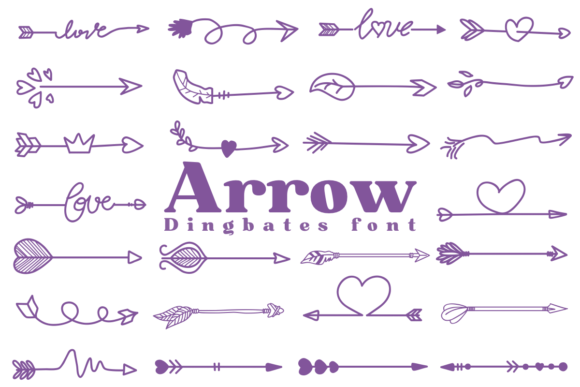
Arrow is more than just a font—it's a creative tool that transforms letters into arrow shapes, turning text into a visual language of direction. Each letter is replaced by a unique arrow symbol, making it a fun and eye-catching way to communicate ideas. Whether you're designing a logo, creating a presentation, or adding flair to social media posts, Arrow offers a fresh perspective on typography.
What Is Arrow?
Arrow is a stylized font where every letter is represented by an arrow. Instead of the traditional alphabet, this font uses directional symbols like up, down, left, and right arrows to form words. It’s not meant for everyday reading but rather for adding playful and symbolic elements to your designs. Think of it as a secret code made of arrows—each one telling a story through its shape and placement.
Why Use Arrow?
Arrow adds a layer of creativity and engagement to any design. It can be used to highlight directions in maps, create interactive infographics, or even serve as a unique branding element. The visual nature of Arrow makes it ideal for projects that require attention-grabbing elements without being too literal.
Who Might Care About Arrow?
Arrow has different meanings and uses depending on who is using it. Let's explore how various groups might find value in this unique font.
Beginners and Hobbyists
For beginners and hobbyists, Arrow is a great way to experiment with typography without needing advanced skills. It introduces them to the idea of using symbols instead of standard text, which can spark creativity and curiosity. Using Arrow in simple projects like greeting cards or social media posts can help them understand the basics of visual communication.
Creative Professionals
Creative professionals such as graphic designers, illustrators, and web developers may use Arrow to add a unique touch to their work. It can be especially useful in conceptual designs, where the visual impact of the message matters more than readability. For instance, a designer working on a navigation interface could use Arrow to represent menu options in a more intuitive way.
Entrepreneurs and Small Business Owners
Entrepreneurs and small business owners might use Arrow to create memorable brand identities. The font can be used in logos, signage, or promotional materials to convey movement, direction, and innovation. It’s a subtle yet effective way to stand out in a crowded market while maintaining a sense of playfulness.
Marketers and Bloggers
Marketers and bloggers can leverage Arrow to make their content more engaging. It can be used in headlines, call-to-action buttons, or infographics to guide readers' attention. For example, a blog post about productivity could use Arrow to visually represent steps or processes, making the information easier to digest.
Educators and Students
Educators might use Arrow to teach students about alternative forms of communication and visual literacy. In classrooms, it can be used to create interactive learning tools or games that help students understand direction and spatial relationships. For students, experimenting with Arrow can be a fun way to explore design principles and creative expression.
How to Use Arrow Effectively
Using Arrow effectively requires considering the context and purpose of your design. Here are some practical tips for different scenarios:
- For Beginners: Start with simple projects like posters or digital art. Focus on how the arrows can guide the viewer's eye or add personality to your work.
- For Designers: Combine Arrow with other fonts and visual elements to create contrast and balance. Use it sparingly to avoid overwhelming the viewer.
- For Marketers: Use Arrow in calls to action or directional cues within websites or ads. It can subtly influence user behavior by drawing attention to important elements.
- For Educators: Integrate Arrow into lesson plans or interactive activities. Encourage students to think about how symbols can convey meaning beyond traditional text.
Considerations for Different Needs
When deciding whether Arrow is right for your project, consider factors like ease of use, cost, quality, and long-term usefulness. While Arrow is visually striking, it may not be suitable for all types of communication. For example, it’s not ideal for formal documents or legal texts where clarity is essential. However, for creative or conceptual projects, it can be a powerful tool.
Another consideration is accessibility. Since Arrow relies on symbols instead of standard text, it may not be accessible to everyone. If your audience includes people with visual impairments or those who rely on screen readers, you should ensure that the meaning of the arrows is clear through alt text or additional explanations.
Final Thoughts
Arrow is a unique and versatile font that can bring a new dimension to your designs. Whether you're a beginner looking to explore creative possibilities or a professional seeking to enhance your visual storytelling, Arrow offers a fun and engaging way to communicate. By understanding how different audiences may use and evaluate Arrow, you can make informed decisions about when and how to incorporate it into your projects.