Curved Wavy Font: A Playful and Stylish Choice for Retro-Inspired Designs
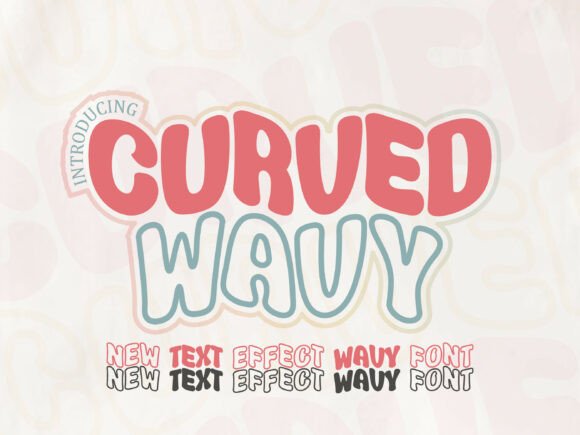
The Curved Wavy font is a unique typeface that combines the charm of retro aesthetics with modern design sensibilities. Characterized by its wavy, groovy lines and curved edges, this font exudes a playful yet stylish vibe. Its visual appeal makes it a popular choice among designers looking to evoke nostalgia or inject a sense of fun into their projects.
If you're considering using Curved Wavy in your work, it's important to understand what it offers, when it might be the right fit, and what tradeoffs you should be aware of. This article explores these aspects to help you make an informed decision about whether this font aligns with your creative goals.
What Is Curved Wavy?
Curved Wavy is a decorative font style that features fluid, undulating strokes instead of the sharp angles found in traditional sans-serif or serif fonts. The waves in the letterforms give it a dynamic, almost animated look, making it stand out in both digital and print media.
This font is often described as "groovy," reflecting its association with 1960s and 1970s counterculture movements. It’s ideal for designs that aim to capture the essence of that era while maintaining a contemporary feel.
Why You Might Be Interested in Curved Wavy
If you're drawn to retro-inspired visuals, Curved Wavy could be a compelling option. It’s particularly well-suited for projects that benefit from a whimsical or artistic flair, such as:
- Poster designs for music festivals or retro-themed events
- Brand identities that want to convey a youthful, fun image
- Typography in children's books or educational materials
- Graphics for social media content that aims to stand out
Its distinctive appearance can also serve as a focal point in a design, helping to draw attention to key messages or branding elements.
Benefits of Using Curved Wavy
The primary benefit of Curved Wavy lies in its ability to add character and personality to a design. It’s especially effective when used sparingly, allowing the wavy effect to enhance rather than overwhelm the overall composition.
Another advantage is its versatility. While it may not be suitable for long blocks of text, it works exceptionally well for headlines, logos, and short phrases. This makes it a valuable tool for creating eye-catching titles or call-to-action buttons.
Potential Tradeoffs and Considerations
Despite its appeal, there are several factors to consider before incorporating Curved Wavy into your project. One major consideration is legibility. Because of its stylized nature, it may not be the best choice for body text or any content where readability is crucial.
Additionally, the font’s playful aesthetic may not align with more professional or formal contexts. If your goal is to convey authority, trustworthiness, or minimalism, a more conventional font might be a better fit.
You should also be mindful of how Curved Wavy interacts with other design elements. Since it has a strong visual presence, pairing it with too many other bold or colorful elements could result in a cluttered or unbalanced layout.
Situations Where Curved Wavy Is a Strong Fit
Curved Wavy shines in scenarios where a nostalgic or artistic tone is desired. Some common applications include:
- Designing merchandise for retro bands or vintage-themed brands
- Crafting promotional materials for events with a retro vibe
- Creating engaging social media posts that stand out in feeds
- Developing brand assets that emphasize creativity and fun
In these cases, the font’s unique style can enhance the message and create a memorable impression on the audience.
When Alternatives May Be Worth Considering
If your project requires clarity, professionalism, or a more subdued aesthetic, you may want to explore alternatives to Curved Wavy. Fonts like Helvetica, Arial, or even more stylized but readable options like Baskerville or Futura could be better suited for certain tasks.
For body text, it’s generally advisable to use a clean, sans-serif or serif font that prioritizes readability. Reserve Curved Wavy for headings, logos, or other design elements where its visual impact is an asset rather than a hindrance.
Practical Insights for Choosing Curved Wavy
Before selecting Curved Wavy, ask yourself a few key questions:
- Does the tone of my project align with the playful, nostalgic feel of this font?
- Will this font be used for short, impactful text or longer passages?
- How will it interact with other colors, images, and typography in the design?
- Is the goal to create something unique and eye-catching, or to maintain a professional and straightforward appearance?
By evaluating these factors, you can determine whether Curved Wavy is the right choice for your needs. It’s always a good idea to test the font in different contexts and observe how it performs across various platforms and mediums.
In conclusion, Curved Wavy is a versatile and expressive font that can bring a retro, fun element to a wide range of design projects. However, its suitability depends on the specific goals and requirements of the work at hand. By carefully considering its benefits, limitations, and potential applications, you can decide whether this font will help you achieve the desired outcome in your next design endeavor.